 Find a hoof expert
 Become a partner
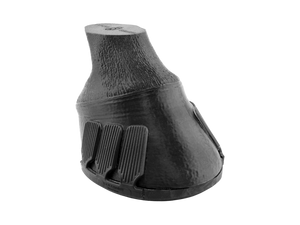
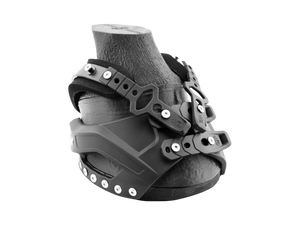
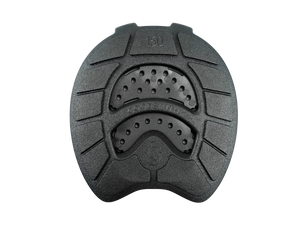
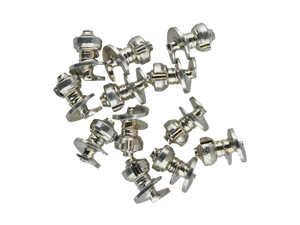

Spikes and studs in glue-on shoes
Spikes and studs can also be used with glue-on shoes and give the horse additional grip on wet, slippery or deep ground. Spikes are small carbide pins that sit permanently in the base plate and, as a side effect, protect the plate from wear. Studs are larger, screw-in grip elements for temporary use — for example in show jumping, cross-country or hunting. Both specifically increase surefootedness, and both follow the same rule of thumb: as much grip as necessary, as little as possible. This guide explains how the two solutions work, when they make sense and what matters when using them with nail-free hoof protection.

Spikes and studs in brief
On metal horseshoes, grip elements have long been standard; on plastic glue-on shoes they are less well known, but they work on the same principle. Spikes are small carbide pins (Widia) that are firmly anchored in the base plate of the shoe and remain there permanently. Studs are considerably larger grip elements that are screwed in via a thread and removed again after use. The difference is therefore not just size, but purpose: spikes provide subtle, long-term grip and protect the plate, studs provide strong grip for specific tasks.
Spikes: subtle long-term grip and wear protection
Spikes are pre-drilled and then screwed into the base plate with a cordless drill. The usual setup is two pins per branch end, i.e. four per plate, placed in the area of the heel bars and at the toe — where the hoof needs the most grip during break-over. In addition to improved surefootedness, the carbide pins have a practical side effect: they absorb the wear and thus protect the plate material, which often means the shoe holds more evenly throughout the interval.
Because the pins are fixed, they are suitable for everyday use and continuous wear. In group or open-stall housing, however, grip elements are deliberately chosen to be restrained, as pronounced studs can increase the risk of injury among horses; fine spikes are the more compatible choice here.

Studs: strong grip for specific tasks
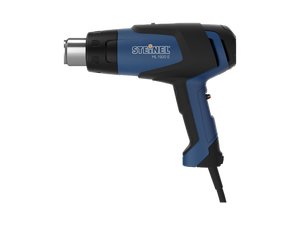
Studs come into play where you briefly need real grip: on wet grass in the show jumping ring, out in the field or during a hunt. On the glue-on shoe they are fixed via T-nuts — stainless steel drive-in nuts with claws that anchor into the plate; a heat gun helps embed the connection cleanly. For a stable fit, it is advisable to use side clips for stabilisation and to place washers underneath when screwing them in.
Which stud suits depends on the ground: on hard, dry or clay soil, blunt, square studs tend to provide grip, on fine or sandy grass ground rather rounder to more pointed shapes. The discipline also plays a role — dressage requires less grip than show jumping or eventing. What matters is the temporary character: studs are screwed in for use and removed again afterwards, if only to avoid injuries in the stable and pasture.

As much grip as necessary: the craftsman's perspective
- Choosing a selection results in a full page refresh.
- Opens in a new window.
